U.K. Launches Probe into Grok AI
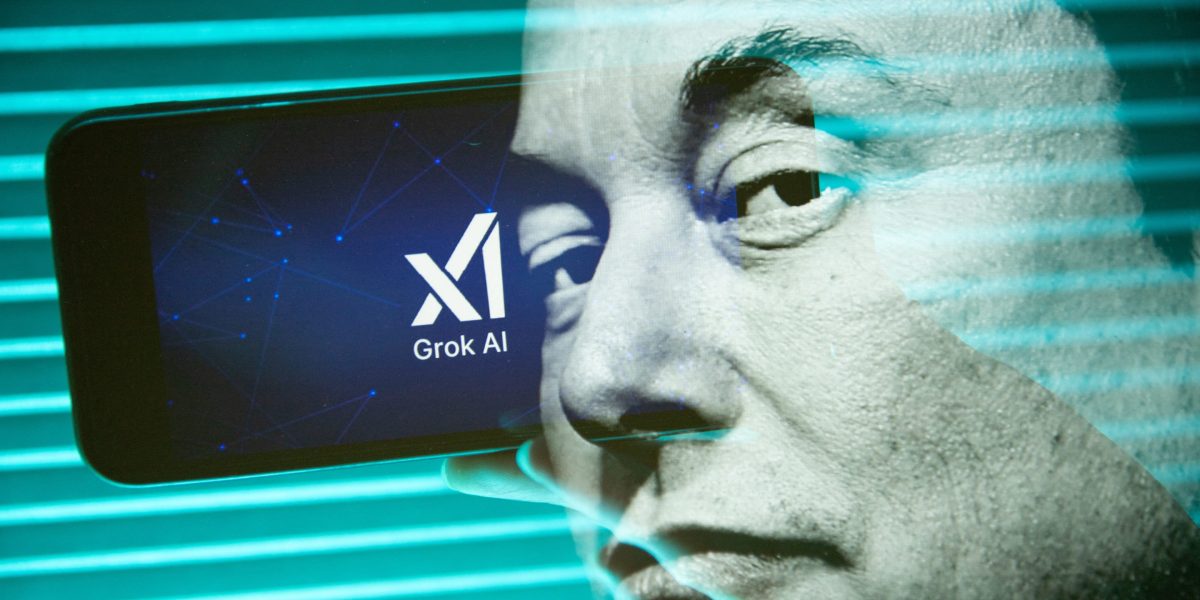
The U.K. has launched an investigation into Elon Musk's platform, X, amid concerns that it has allegedly facilitated the creation and sharing of illegal deepfake images, particularly of women and children. This move is poised to trigger a broader discussion on online regulatory practices and the balance between free speech and safety, especially in the context of differing U.S. and European policies.
On Monday, Ofcom, the U.K.'s online safety regulator, formally began its inquiry into X due to the emergence of sexualized deepfakes being disseminated via the platform. This investigation will assess whether X has met its obligations under the U.K. Online Safety Act, enacted last March. Simultaneously, the government has indicated it will enforce new legislation making it illegal to provide tools that create such images, as stated by U.K. technology secretary Liz Kendall here.
xAI’s Grok is reportedly still generating thousands of sexualized deepfake images. Experts have expressed significant concern over reports of Grok's involvement in producing non-consensual intimate images and child exploitation materials shared on X. As Ofcom articulated, “Reports of Grok being used to create and share illegal non-consensual intimate images and child sexual abuse material on X have been deeply concerning.”
If X is found in violation of the Online Safety Act, it could incur hefty fines—up to £18 million or 10% of its global revenue, whichever is greater. In extreme cases, courts may authorize British internet service providers to block access to X entirely.
While the investigation focuses on illegal content, it has the potential to evolve into a geopolitical dispute regarding censorship and free speech. X has previously faced temporary bans in Malaysia and Indonesia over similar issues. In response to the investigation, Musk labeled the British government as "fascist," alleging that officials are seeking "any excuse for censorship."
According to Nick Anstead, an associate professor at the London School of Economics, should Ofcom opt to ban the platform, it is likely that the discussion will extend into the realm of free speech, potentially overshadowing the original concerns. He noted, “We’ve already seen that this discourse is playing out and the actual substance of why it’s happened and the trigger will get lost in the debate.”
British politicians are generally supportive of Ofcom's authority to block platforms that do not comply with local legislation. Kendall has confirmed that the Online Safety Act affords the government the power to restrict access to services not meeting U.K. legal standards. Furthermore, the U.K.'s Foreign Secretary David Lammy pointed out that U.S. Vice President JD Vance shares the U.K.'s concerns regarding sexualized AI deepfakes, calling them “entirely unacceptable.”
This investigation comes amid ongoing debates about the Online Safety Act, which has faced criticism from U.S. lawmakers who view European regulations as potentially stifling political expression. Vance has previously articulated concerns about such measures, suggesting they inhibit free speech. Efforts by the Trump administration to counter perceived European censorship efforts have included actions against European individuals advocating for restrictions on U.S. speech.
Reports indicate that women are particularly vulnerable to the misuse of AI-generated images, with many victims expressing frustration over X's failure to address their complaints. Research highlighted that Grok generates approximately 6,700 sexualized or "undressing" images every hour, with such content representing 85% of its total output.


